Most teams treat purchase requisitions as a formality.
A request gets raised, routed for approval, and eventually turned into a purchase order. It feels administrative—almost routine.
But if you look closely, the requisition is not just the start of procurement.
It is where quality, speed, and control are either established—or compromised.
The hidden role of a requisition
A good purchase requisition does more than ask for something.
It answers, in one place:
What exactly is needed?
Why is it needed?
When is it required?
From whom should it be sourced?
What budget does it belong to?
When this context is complete and clear, everything downstream becomes easier:
approvals are faster
sourcing is more accurate
finance has fewer exceptions
When it isn’t, procurement slows—not because of process, but because of ambiguity introduced at the start.
Where things usually go wrong
Most issues with procurement don’t begin at approval. They begin at requisition.
Common patterns show up across teams:
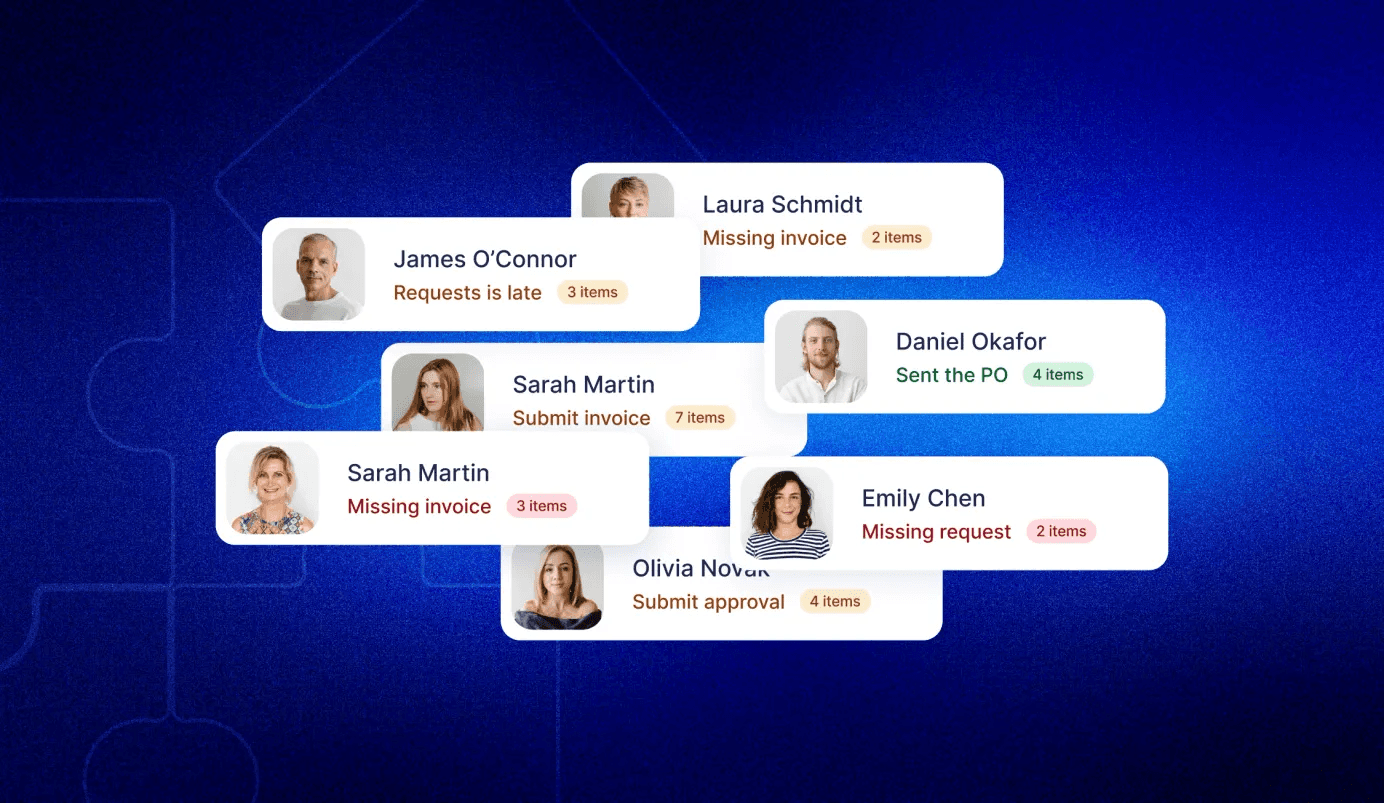
Requests raised with incomplete or vague descriptions
Missing specifications that require back-and-forth clarification
No clear supplier context, forcing procurement to restart sourcing
Budget uncertainty, leading to delays during approval
Multiple revisions before the request is even actionable
None of this is dramatic. But it introduces friction early—and that friction compounds.
By the time the request reaches procurement or finance, time has already been lost.
The cost of a weak requisition
A poor requisition doesn’t just delay the first step. It affects the entire cycle:
Procurement spends time clarifying instead of executing
Approvers hesitate due to lack of context
Suppliers receive incomplete requirements
Finance deals with mismatches later in the process
What should have been a straightforward flow turns into a series of corrections.
And importantly—these delays are rarely visible in reports. They sit in conversations, emails, and follow-ups.
Why adding more forms doesn’t fix it
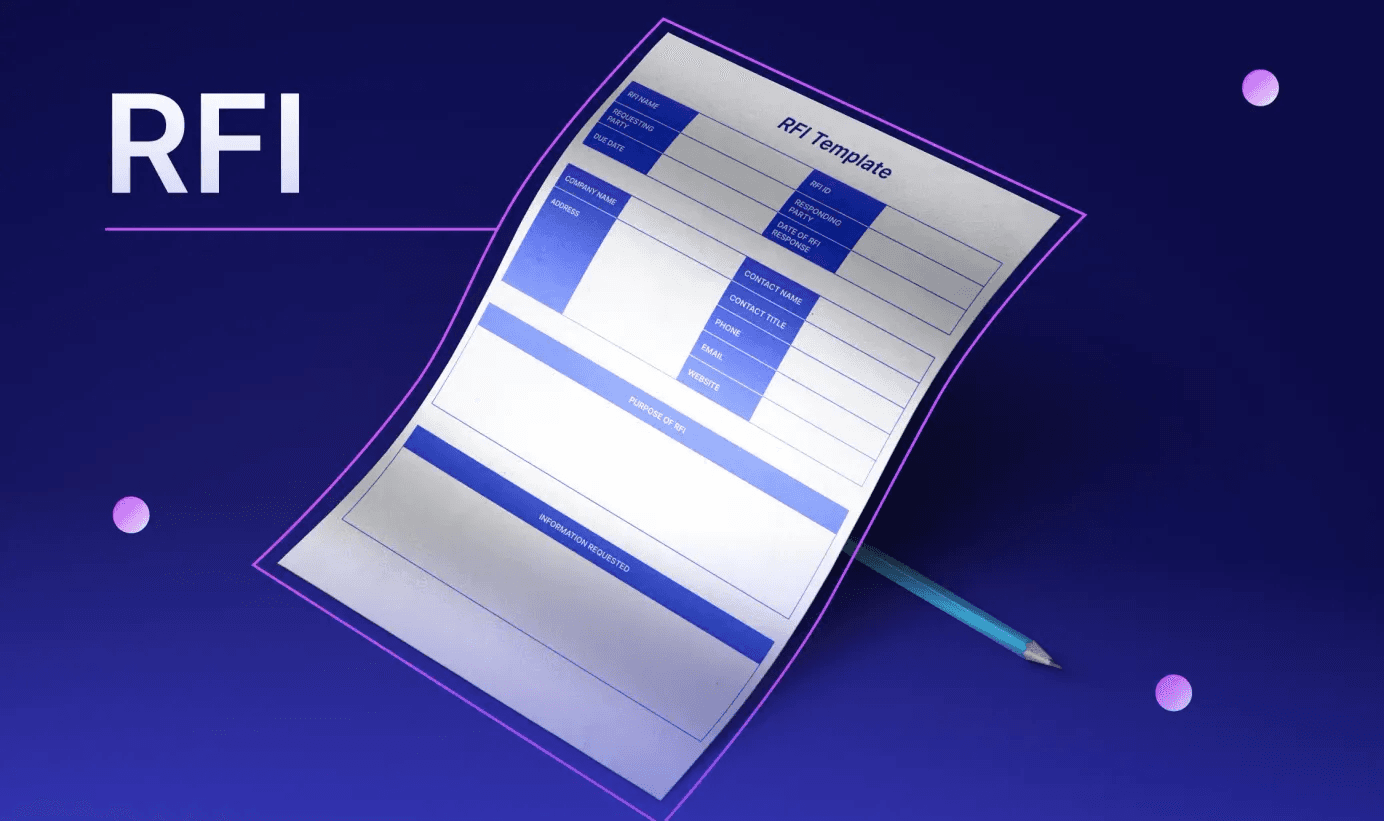
The typical response is to make requisitions more structured:
more fields
stricter templates
mandatory inputs
This improves completeness—but often at the cost of usability.
People either:
rush through fields without adding real clarity, or
delay raising requests because the process feels heavy
So while the form becomes more detailed, the quality of input doesn’t necessarily improve.
What a well-functioning requisition actually looks like
A strong requisition process is not about more information. It’s about the right information, in the right context, with minimal friction.
That means:
capturing key details without overburdening the user
guiding the requester to provide meaningful context
linking budgets, suppliers, and categories where possible
ensuring that once submitted, the request is immediately actionable
In other words, procurement should not have to “fix” a requisition before working on it.
Where systems often fall short
Many procurement systems treat requisitions as isolated inputs.
They capture data—but don’t always connect it effectively to:
supplier data
past purchases
budget structures
approval logic
So even a well-filled requisition still requires interpretation.
And that reintroduces delay.
A more integrated approach
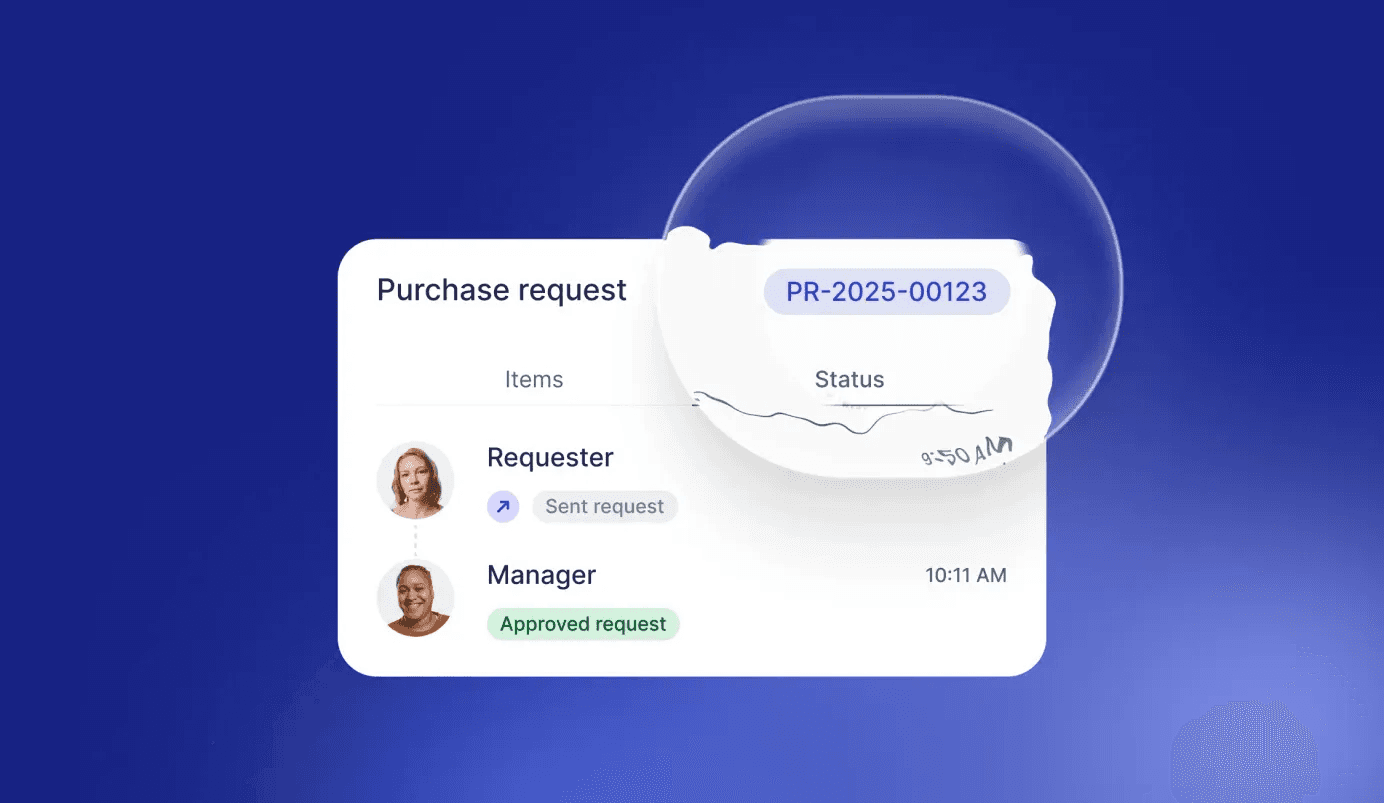
Swyftflo’s Smart Procure treats requisitions less like static forms and more like the starting point of a connected workflow.
That means:
requests are created with relevant context already in place
supplier and procurement data can be referenced during creation
approvals are informed, not delayed by missing information
the transition from requisition to execution is direct
The intent is simple:
A requisition should not need translation.
The practical takeaway
If procurement feels slow, it is worth looking upstream.
Not at approvals. Not at suppliers.
But at the quality and clarity of the requisition itself.
Because once a request enters the system with ambiguity,
every step that follows becomes heavier.