Cost control in procurement is usually discussed in familiar terms—negotiation, supplier selection, volume discounts.
All important.
But there is a quieter lever that often has just as much impact, and far less attention:
the procurement catalog.
Not as a list of items, but as a controlled environment where spending decisions happen.
What a procurement catalog actually does
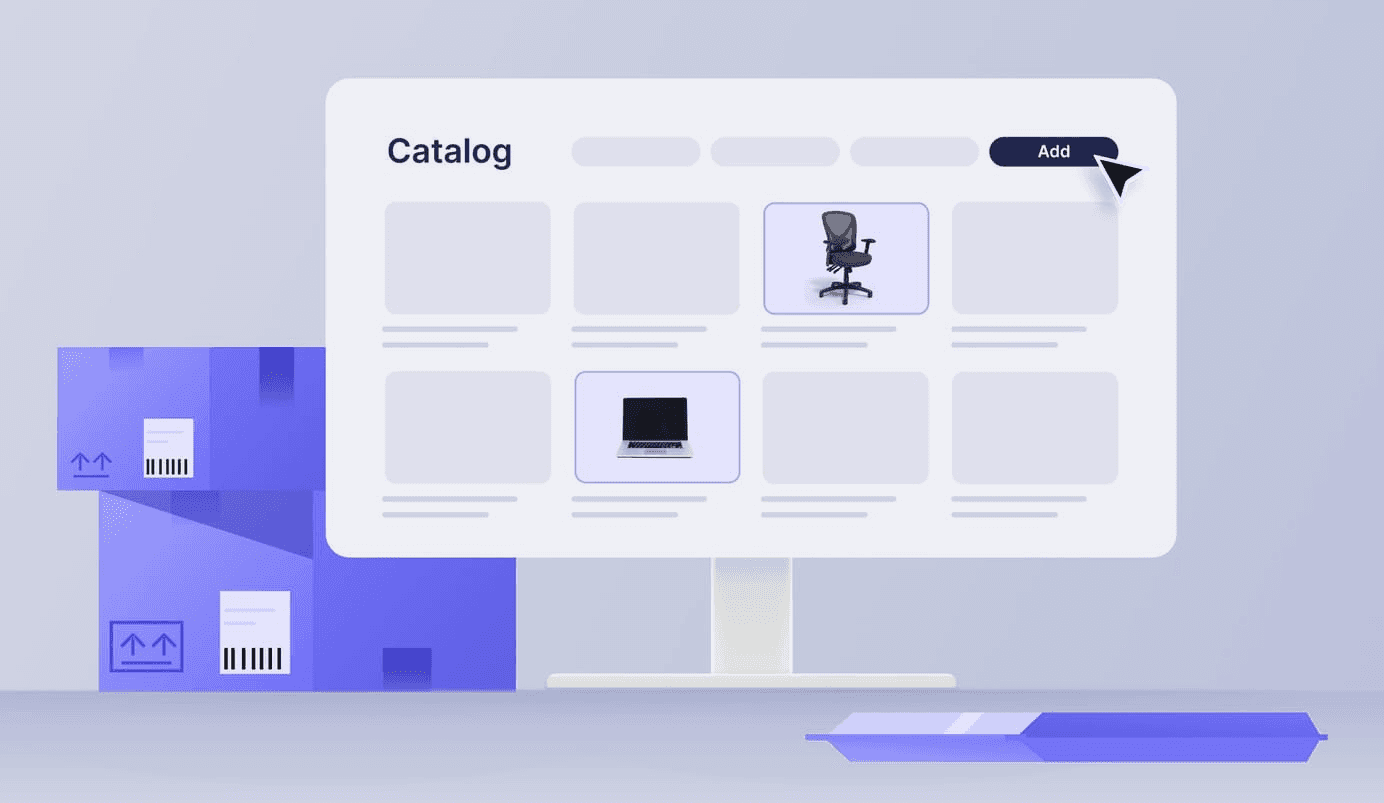
At a basic level, a catalog is a structured list of pre-approved items, suppliers, and prices.
But in practice, it shapes behavior.
It determines:
• what people buy
• how quickly they can buy it
• whether they stay within negotiated terms
• how consistently spend is managed across the organization
When the catalog is well-managed, procurement becomes guided.
When it isn’t, procurement becomes discretionary.
Where cost inefficiency really begins
Most cost leakage doesn’t come from large, strategic purchases.
It comes from everyday decisions:
• buying outside approved suppliers
• selecting higher-cost alternatives
• duplicating similar items across departments
• bypassing negotiated pricing
These are rarely intentional. They happen because:
• the right options aren’t visible
• the catalog is outdated or incomplete
• users don’t trust what’s available
• it’s easier to go around the system than through it
Over time, these small deviations accumulate into significant cost inefficiencies.
The difference between a catalog that exists and one that works
Many organizations have catalogs.
Fewer have catalogs that are actively used.
The difference is not in setup—it’s in management and usability.
A functional catalog is:
• current – prices, suppliers, and items are regularly updated
• relevant – it reflects what teams actually need
• structured – items are easy to find and compare
• trusted – users believe the options are accurate and approved
Without these qualities, the catalog becomes a formality rather than a tool.
How a well-managed catalog drives cost efficiency
It enforces negotiated pricing—without friction
When preferred suppliers and agreed pricing are embedded into the catalog, users naturally select them.
There is no need for repeated validation or manual checks.
Compliance becomes the default behavior.
It reduces maverick spend
If users can quickly find what they need within the system, they are less likely to:
• source independently
• use non-approved vendors
• bypass procurement processes
The catalog doesn’t restrict choice—it guides it.
It standardizes purchasing decisions
A well-maintained catalog reduces unnecessary variation.
Instead of:
• multiple versions of similar items
• inconsistent specifications
It promotes:
• standard options
• aligned purchasing across teams
This leads to better volume leverage and simpler supplier management.
It shortens procurement cycles
When items are pre-approved and clearly defined:
• requisitions are easier to raise
• approvals are faster
• procurement teams spend less time validating requests
Time savings translate directly into operational efficiency.
It improves spend visibility
Catalog-based purchasing creates structured data.
This makes it easier to:
• track spending patterns
• identify optimization opportunities
• negotiate better terms with suppliers
Without a strong catalog, spend data tends to be fragmented and harder to analyze.
Why catalogs fail over time
Even well-built catalogs degrade if they are not actively managed.
Common issues include:
• outdated pricing
• inactive or irrelevant suppliers
• missing commonly used items
• poor categorization
As trust declines, users start bypassing the catalog—and the benefits disappear.
What effective catalog management looks like
Maintaining a useful catalog requires ongoing attention:
• regular supplier and price updates
• alignment with actual purchasing behavior
• removal of unused or redundant items
• clear ownership of catalog governance
It is not a one-time setup. It is a continuous process.
Where systems make a difference
A procurement catalog is only as effective as the system that supports it.
Swyftflo’s Smart Procure integrates catalog management directly into the procurement workflow.
This allows:
• easy access to approved items during requisition
• seamless connection between catalog, suppliers, and approvals
• consistent use of negotiated pricing
• better visibility into purchasing patterns
The catalog becomes part of how procurement operates—not a separate reference.
A practical way to think about it
A procurement catalog does not reduce costs on its own.
What it does is shape everyday decisions in a way that:
• aligns with negotiated terms
• reduces unnecessary variation
• minimizes off-process spending
And those decisions, repeated across the organization, are where real cost efficiency is achieved.
In that sense, a well-managed catalog is not just a procurement tool.
It is a mechanism for keeping spending disciplined—without slowing teams down.